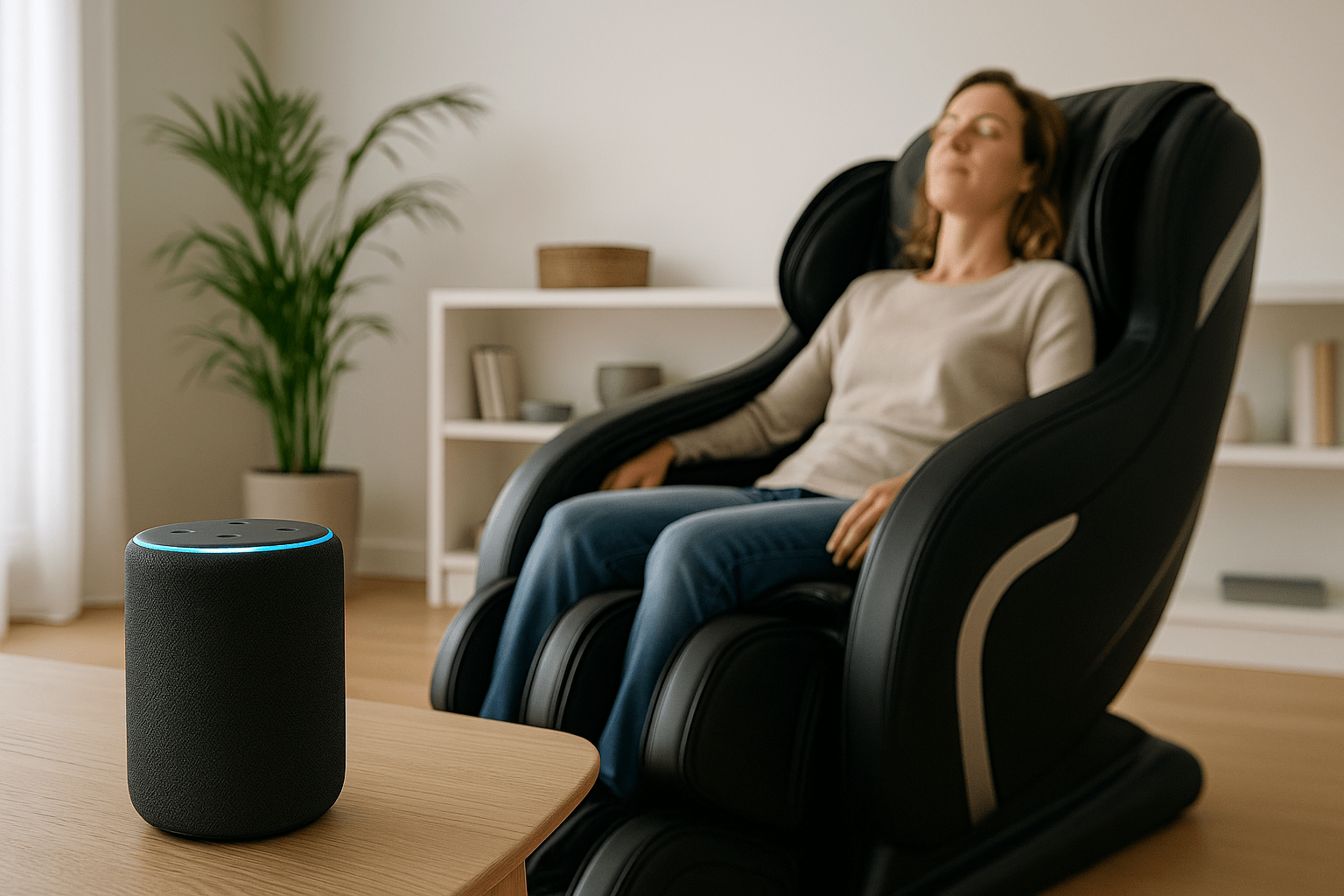
Sore muscles: what really helps?
Sore muscles – sounds cute, right? You might almost think it has something to do with a lazy, purring pet that feels a little self-conscious after exercise. But the feeling of not being able to even climb the stairs after an intense workout is anything but cute. The “hangover” in sore muscles has absolutely nothing to do with the animal. In fact, the word comes from the ancient Greek term "catarrh," which describes inflammation - and yes, that's what it feels like. This is exactly what happens when your muscles are sore: small micro-injuries lead to an inflammatory reaction. But...

Sore muscles – sounds cute, right? You might almost think it has something to do with a lazy, purring pet that feels a little self-conscious after exercise. But the feeling of not being able to even climb the stairs after an intense workout is anything but cute.
The “hangover” in sore muscles has absolutely nothing to do with the animal. In fact, the word comes from the ancient Greek term "catarrh," which describes inflammation - and yes, that's what it feels like. This is exactly what happens when your muscles are sore: small micro-injuries lead to an inflammatory reaction. But what can you do to relieve or even prevent muscle soreness?
In this article you will find out what is behind the phenomenon of muscle soreness, how it occurs, how you can relieve it or even avoid it. Of course, we will also tell you what role massages can play in sore muscles.
Our reading tip: There are many areas of application for massages. We introduce them to you in our article: From head to toe, massages can help here.
Note: This post is for informational purposes only and does not replace professional medical advice. If you have any health problems or suspect an illness, please always contact a doctor or qualified specialist.
What is muscle soreness?
We all know sore muscles - the unpleasant pulling sensation in the muscles after an unusual or particularly intense strain. But what exactly is behind it?
Muscle soreness is caused by tiny tears in the muscle fibers that occur during particularly intense or new physical activity. These micro-injuries lead to inflammation, which causes pain. Muscle soreness occurs particularly often when the muscles have been stressed in an unusual way, for example through stretching exercises or after a long break from sports.
Many people see sore muscles as an indication of an effective workout - if the muscles don't hurt, you've done something wrong. But is that really true?
Is muscle soreness good and a sign of effective training?

Muscle soreness is often associated with a good workout - and it's true, it shows that muscles have been used. But is muscle soreness always good or bad?
If you feel muscle soreness, it's a sign that the muscles have been damaged, meaning they need time to recover. If you have regular muscle soreness, it could also be a sign that you're training too intensely and not giving your body enough rest. While moderate muscle soreness can be part of training progress, excessive pain should not be considered a success.
To better understand how muscle soreness occurs, let's take a closer look at the process:
From overload to recovery – how does muscle soreness arise?
The term muscle soreness actually seems quite trivializing when you realize that it is actually caused by tiny tears in the muscle fibers. A sequence of intense or unusual movements.
These micro-injuries lead to an inflammatory reaction in which fluid also penetrates the tissue. This explains why the muscles feel stiff and swollen. Eccentric movements in particular - movements in which the muscle lengthens under strain, such as when walking downhill or lowering a weight - often cause muscle soreness.
Once the muscle soreness is there, the body needs time to repair the affected muscle fibers and build them stronger. Stronger muscles may sound good, but we usually want to avoid muscle soreness, so what should we do?
Train pain-free – how can you prevent muscle soreness?
The best strategy against muscle soreness is to prevent it from occurring in the first place. But how does this work? Slowly increasing training intensity is an effective way to accustom the body to new stresses and prevent muscle injuries. A good warm-up program before training and targeted stretching after training are also crucial to keeping the muscles supple. By taking these measures, you will minimize the risk of micro-injuries that cause muscle soreness.
In addition, dietary supplements such as magnesium can support the muscles and prevent cramps and sore muscles. Natural foods like bananas, which are rich in potassium, or foods high in omega-3 like salmon can also help relax muscles and reduce inflammation. Cherries and berries also contain many antioxidants that support the regeneration process. But what if the sore muscles still strike?
What helps against sore muscles?
Immediately after exercise, cold is a proven way to reduce inflammation in the muscles. Cooling pads or cold water can help minimize swelling and relieve pain. Later in the day, heat, such as a warm bath or hot water bottle, can promote blood circulation and support the healing process.
Essential oils such as rosemary or lavender also have a relaxing effect and can further promote regeneration when muscles are sore. Immediately after exertion, it is ultimately important to protect your body and engage in light activities such as walks or gentle yoga. Of course, there are also measures that should be avoided if you have sore muscles - let's take a closer look.
What you should definitely avoid if you have sore muscles

If you have sore muscles, there are a few things you should keep in mind to avoid delaying healing. Intense workouts should be avoided as they can put further strain on already injured muscles. Stretching exercises should also be approached carefully as they could worsen micro-injuries to the muscle fibers.
It is better to resort to gentle massages that promote blood circulation and relax the muscles. And last but not least – listen to your body. Muscle soreness is a signal that your muscles need rest to regenerate. But how exactly does a massage work for sore muscles, and what should you pay attention to?
Massage for sore muscles
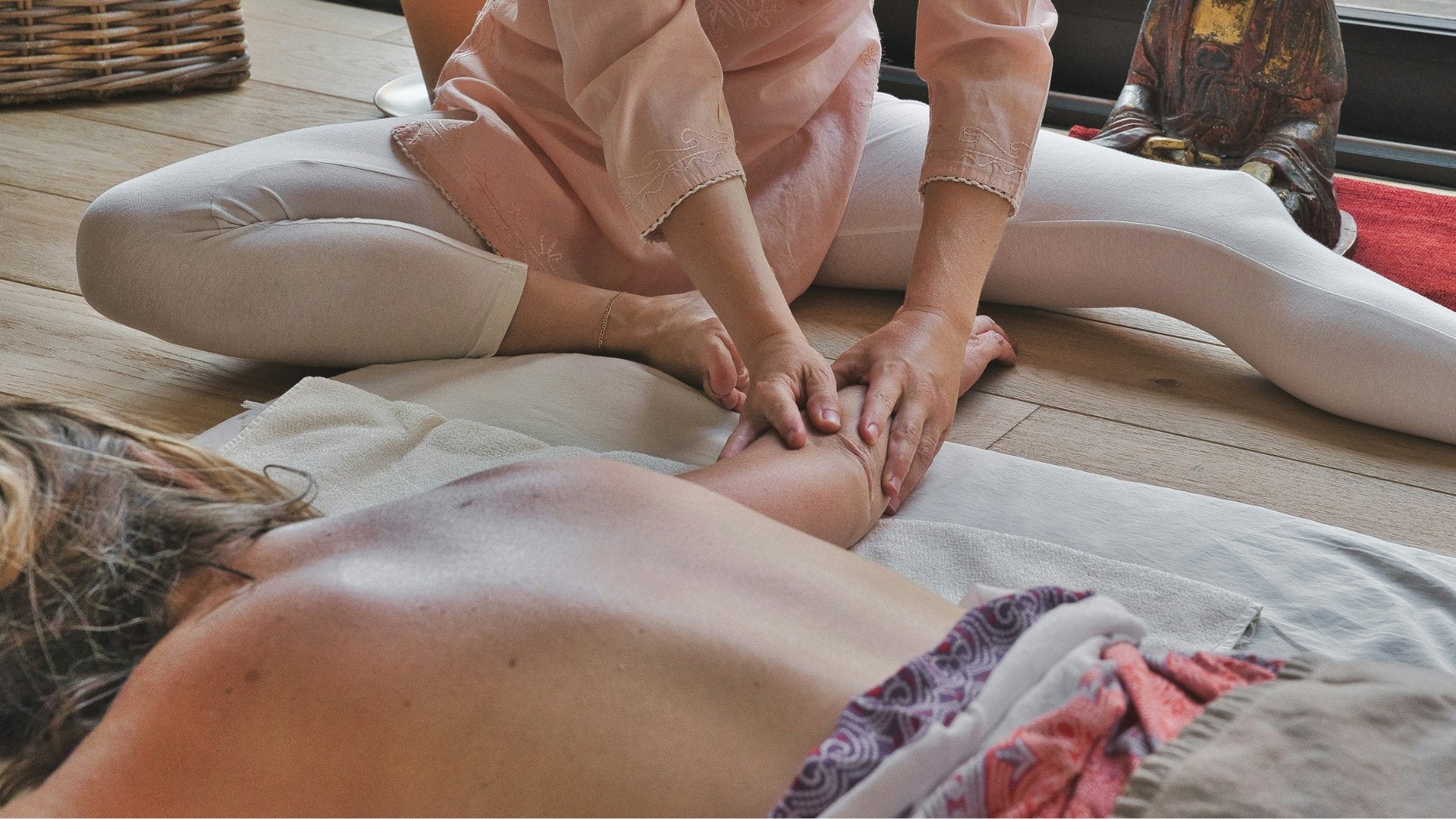
A massage can be a great help in effectively relieving sore muscles - but only if it is done correctly. The most important rule: A massage should always be gentle. Intense pressure can put additional strain on already damaged muscle fibers and increase pain. Instead, we recommend light stimulation of the affected muscles, which promotes blood circulation and supports healing. The use of massage oils with anti-inflammatory effects can also enhance the effect of the massage. But which types of massage are particularly suitable for sore muscles?
Massage for sore muscles – this is how you find the right technique
Not every form of massage is suitable for treating sore muscles. Gentle massage techniques such as the classic are particularly recommended Swedish massage or the Lymphatic drainage. These methods promote blood circulation and help to remove metabolic products from the muscles without additionally irritating the muscles.
Another option is this Using a massage gun at low intensity - but be careful, this method requires experience and should not be used if the muscles are severely sore.
But can a massage chair also play a role in the regeneration of sore muscles?
Massage chair: Your companion for gentle relief from sore muscles
A Massage sessionl can be an excellent supplement for treating sore muscles. The gentle massage programs in particular promote regeneration and offer a great opportunity to loosen tense muscles - all in the comfort of your own home. Through targeted programs for the back, neck or legs, the tension caused by sore muscles can be alleviated without putting additional strain on the affected areas. Also features like Infrared heat treatments support the regeneration process by promoting blood circulation and thus accelerating the supply of nutrients to the muscles.
Reading tip: In our article about Massage chair and Regeneration for Athlete Find out how massage chairs can effectively contribute to recovery.
Regeneration for sore muscles: Combine massage, relaxation and proper care

After intensive exercise, sore muscles are often the number one unwanted side effect. Simply stretching out like a lazy cat and waiting for it to pass is one way to deal with it. However, the better strategy is to actively do something about it.
Gentle massages and the use of massage chairs can provide significant relief and help prevent muscle soreness. Avoid additional stress, listen to your body and use the right measures to feel good again. With the combination of exercise, relaxation and care, you can effectively combat muscle soreness. Your body will thank you!
Cover image: Conscious Design, additional images: efes, Victor Freitas, Alberto Bigoni
Mitgründer und Geschäftsführer der Massagesessel Welt. Mit seinem Expertenwissen und seiner Branchenkenntnis hilft er, Privatpersonen und Unternehmen zu passenden Massagesessels für Entspannung, Gesundheit und Vitalität zu finden. Die individuelle Fachberatung erfolgt sowohl telefonisch oder per Videochat, als auch in der Ausstellung vor den Toren Stuttgarts.