Massages during pregnancy: special rules for expectant mothers
Pregnancy is a time of change and growth, both physically and emotionally. However, in the midst of joy and anticipation, discomfort can also arise that affects well-being. One of the most common complaints that pregnant women suffer from is back pain, around 50 percent of all women are affected. Massages can relieve these symptoms during pregnancy, but there are special rules that you should definitely know in order to receive safe treatment for you and your child: From the appropriate technique to the ideal position for you - in this article we will explain. Reading tip: In our article “From...

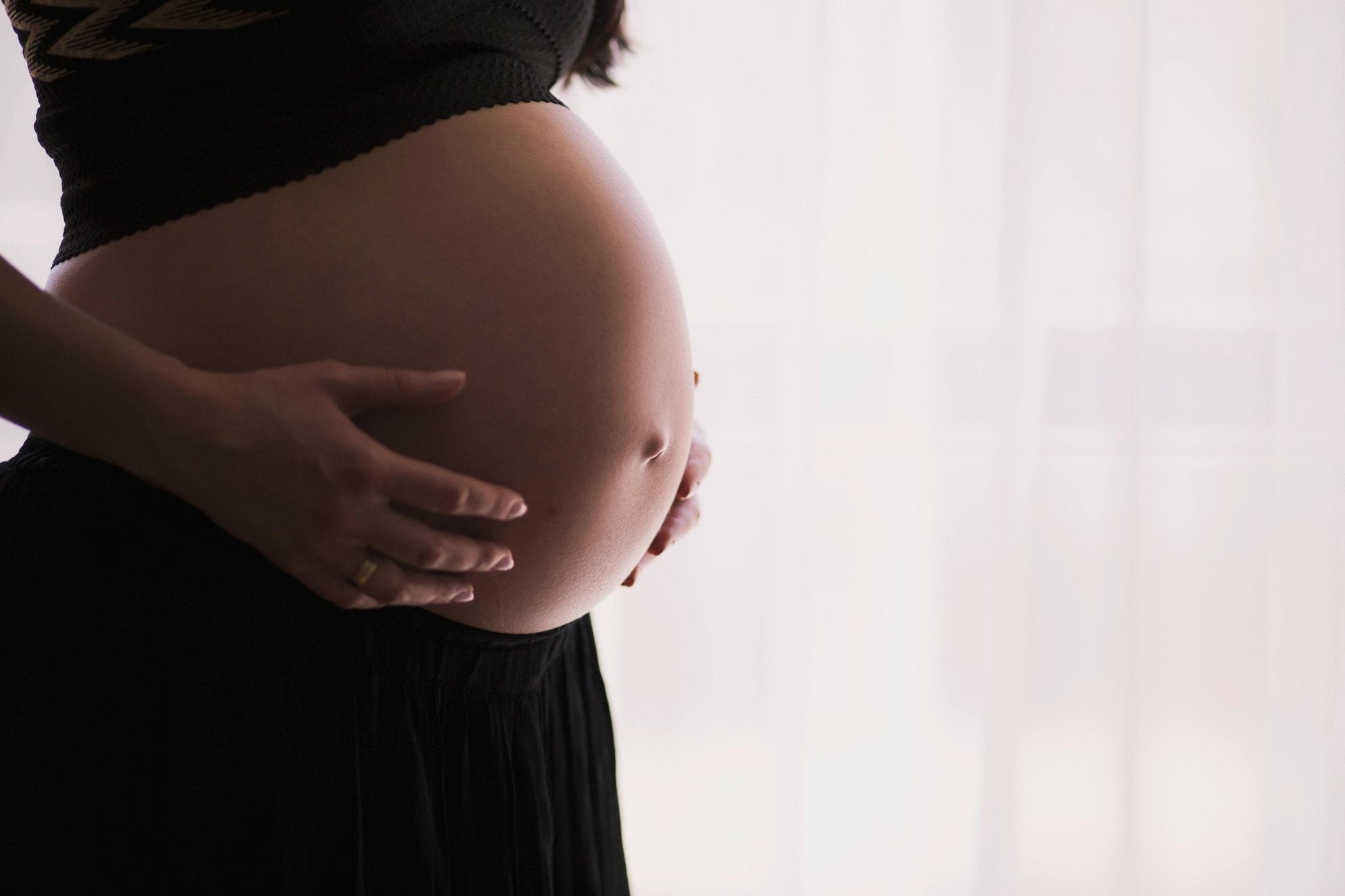
Pregnancy is a time of change and growth, both physically and emotionally. However, in the midst of joy and anticipation, discomfort can also arise that affects well-being. One of the most common complaints that pregnant women suffer from is back pain, around 50 percent of all women are affected.
Massages can relieve these symptoms during pregnancy, but there are special rules that you should definitely know in order to receive safe treatment for you and your child: From the appropriate technique to the ideal position for you - in this article we will explain.
Reading tip: In our article “From head to toe - massages can help here"We also discussed the diverse effects of massages for you.
Which is why special rules apply during massage during pregnancy
It is known that the female body undergoes profound changes during pregnancy, such as increased sensitivity, meaning that the skin and senses are often more reactive and the body perceives touch more intensely. Blood circulation and the hormonal balance also change. These factors require a special approach to massage. While certain techniques are beneficial for non-pregnant women, they can pose risks for pregnant women and their children.
For example, strong pressure on certain areas of the body can restrict blood flow or even trigger contractions. The loosening of joints and soft tissues due to hormonal changes also increases the risk of injury if massage techniques are too intense or used incorrectly. Therefore, it is extremely important that treatment takes into account the physiological and anatomical changes to ensure the safety and well-being of the mother and the unborn child.
Which massages and techniques are allowed during pregnancy?
When we talk about massages during pregnancy, we enter a territory that is as unique and individual as each pregnancy itself. It is not just about finding relaxation, but also about the safety and well-being of mother and child. Therefore, some techniques are beneficial and others should be avoided during this sensitive period.
Suitable massage techniques for pregnancy
Gentle stroking and applying light pressure are absolutely ok. The following techniques can therefore be used in pregnancy massage:
#1 The Swedish massage: This gentle form of massage is ideal for pregnant women as it promotes relaxation while relieving muscle tension and pain. Techniques include gentle kneading, long strokes, and rhythmic tapping, all aimed at reducing stress and increasing blood circulation.
#2 The Prenatal yoga massage: This technique combines gentle yoga poses and massage. Particular emphasis is placed on breathing and gentle stretches to relieve tension and achieve a pleasant body feeling. No pressure is put on the stomach.
#3 The Lymphatic drainage: A gentle form of massage aimed at promoting lymphatic circulation and reducing water retention during pregnancy. This technique is particularly beneficial for pregnant women who struggle with swelling in their legs and feet.
These techniques are gentle enough to promote relaxation without taking any risks. They help to improve blood circulation, relieve tension and increase general well-being. They not only serve for mental relaxation, but can also relieve typical complaints such as back or leg pain.
Storage and procedure of the pregnancy massage
However, an effective massage is not only characterized by the right technique. Comfortable and, above all, safe storage, especially during pregnancy, is also one of the most important factors for the success of the application.
A side position supported by padding systems promotes the well-being of both the baby and the mother. These special positioning techniques allow you to enjoy the massage to the fullest, while at the same time it is aimed at both mental relaxation and the release of tension.
In particular, lying on your side helps reduce pressure on the large blood vessels, particularly the vena cava and aorta, located at the back of the abdomen, which can become compressed when lying on your back. This also optimizes blood circulation for the child. In addition, in contrast to the supine position, this position allows better access for massaging the lower back area, which is often particularly stressed during pregnancy.
In addition to the side position, there are also special massage tables or pillows that allow pregnant women to lie comfortably on their stomach without putting pressure on the stomach. These tables or cushions have cutouts or are shaped to gently surround and support the baby bump while the expectant mother lies relaxed. This arrangement allows access to the back without compromising the safety of mother and child. This means that targeted massages can be carried out on the back, which can provide relief, especially for back pain during pregnancy.
By using additional, specially shaped pillows, your stomach is gently supported while you relax on your side. This avoids any pressure on the stomach and allows the massage to have its effect safely.
Our tip: Before you visit a massage or physiotherapy practice, call the relevant facility and find out whether the therapists have experience in the field of pregnancy massage. Not every practice is designed to meet your specific needs during this time. But here it is important, that only trained staff with the appropriate tools carry out the massage so that you get the best treatment for you.
Massages during pregnancy: The No-nos
While gentle techniques may have beneficial effects for pregnant women, intense kneading and pressure applications, deep tissue massages, or techniques that target pressure points should be avoided during the period of pregnancy. The reason for this is that the joints and ligaments loosen under the influence of relaxin. This is a hormone that is released during pregnancy and loosens the ligaments and joints. On the one hand, this prepares the body for birth, but at the same time increases the risk of injury. In addition, intensive massages run the risk of impairing blood flow to the baby or triggering the birth process early.
Adapted and mindful: The right time for a massage during pregnancy
The massage should always be adapted to individual needs and the current pregnancy status. Open communication with your therapist is essential to ensure that the massage is an enjoyable and safe experience.
But it's not just the massage technique that has its own rules; the phase of pregnancy is also crucial for determining whether massages are appropriate. As beneficial as massages are, there are phases during pregnancy when you should avoid them. Usual guidelines for the right period for pregnancy massages are between the fourth and seventh months.
Massages are often discouraged in the first three months in order to minimize the risks of premature labor, for example. This recommendation is based on the principle of caution, even though there is no scientific evidence of negative effects of massage in early pregnancy.
From the second trimester onwards, massages can offer you valuable support in dealing with the physical changes in a relaxed and pain-free manner.
Good to know – financing pregnancy massages
Although pregnancy massages are safe in most cases and contribute significantly to mental and physical well-being, the question of how to finance them often arises. The good news is that massages during pregnancy don't always have to be paid for out of pocket. Since they are recognized as part of therapeutic treatments, a massage can certainly be carried out and prescribed by a physiotherapist on medical advice.
So if you suffer from painful tension, don't hesitate to ask your doctor for a referral to a physical therapist. It is definitely worth a try to find out about this possibility and get the costs reimbursed. However, clarify with your health insurance company in advance to what extent such therapeutic massages will be covered as part of your prenatal care in order to avoid unexpected expenses.
Enjoy soothing relaxation carefully
Massages during pregnancy are a valuable enrichment for expectant mothers. Prenatal massages are more than just a source of relaxation; They are a targeted strategy to relieve symptoms that affect around 50 percent of all pregnant women. The right choice of techniques and special attention to safe storage make it possible to live this special time of life with greater comfort and well-being.
The option of having massages carried out by a physiotherapist based on a doctor's recommendation offers valuable support and can ease the financial burden of potential health insurance coverage. If you use massages wisely during your pregnancy, you can enrich this special time with additional care and mindfulness.
Mitgründer und Geschäftsführer der Massagesessel Welt. Mit seinem Expertenwissen und seiner Branchenkenntnis hilft er, Privatpersonen und Unternehmen zu passenden Massagesessels für Entspannung, Gesundheit und Vitalität zu finden. Die individuelle Fachberatung erfolgt sowohl telefonisch oder per Videochat, als auch in der Ausstellung vor den Toren Stuttgarts.